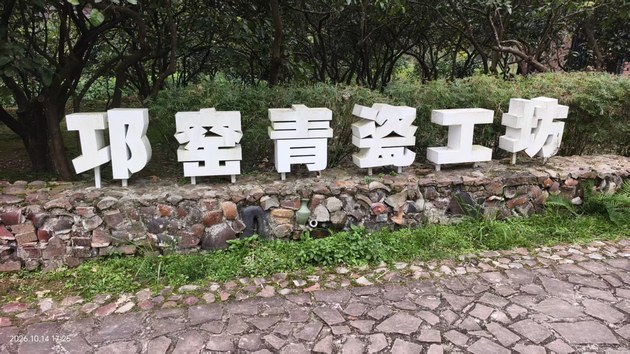

On Oct. 14, heads and reporters of overseas Chinese-language media organizations taking part in the “Journey Through China · 2026 Overseas Chinese-Language Media Trip to Sichuan” came to Qionglai and visited the Qiong Kiln National Archaeological Site Park (the Qiong Kiln Site Museum), feeling the profound historical heritage of the Bashu region amid the blending of millennium-old kiln fires and contemporary cultural creativity.
The Qiong Kiln is one of the birthplaces of Chinese painted porcelain and the largest ancient celadon kiln system in Sichuan. It began firing in the Southern and Northern Dynasties, flourished in the Tang and Five Dynasties, and gradually declined around the Song and Yuan, mainly distributed within Qionglai. In December 2022, the Qiong Kiln Archaeological Site Park was rated by the National Cultural Heritage Administration as a national archaeological site park in the fourth batch, becoming Sichuan’s third national archaeological site park after the Sanxingdui and Jinsha sites.
The core area of phase one covers about 300 mu, with 14 kiln mounds in the park; as the “root of culture,” the mounds are given physical protection to carry on the historical thread. The park has built a number of cultural-creative projects, including the Qiong Sancai Museum, the Shifang Academy and studios of Qiong Kiln inheritors, and has successfully brought in national-level intangible heritage masters and well-known artists. Visitors can take part in pottery making, the study of ancient ceramics, lacquerware and porcelain repair, Tibetan and Qiang weaving and embroidery, and archaeological experiences, touching the millennium-old porcelain craft through hands-on interaction.
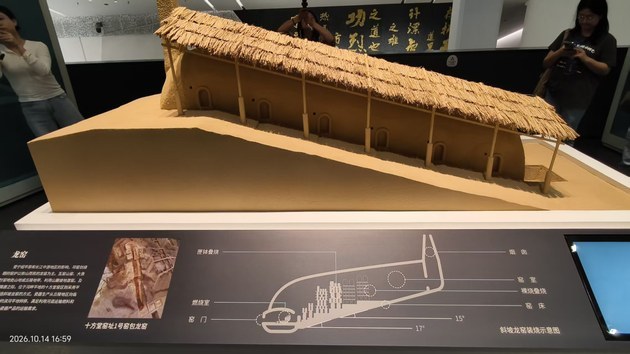
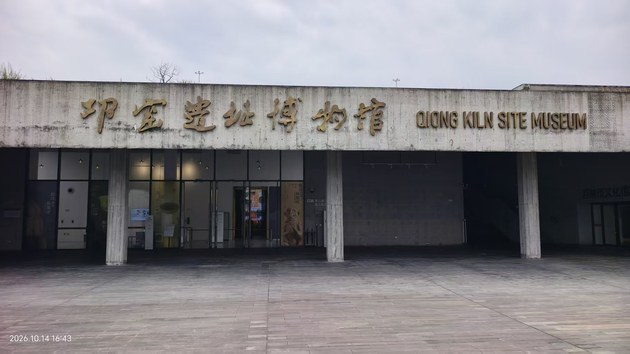
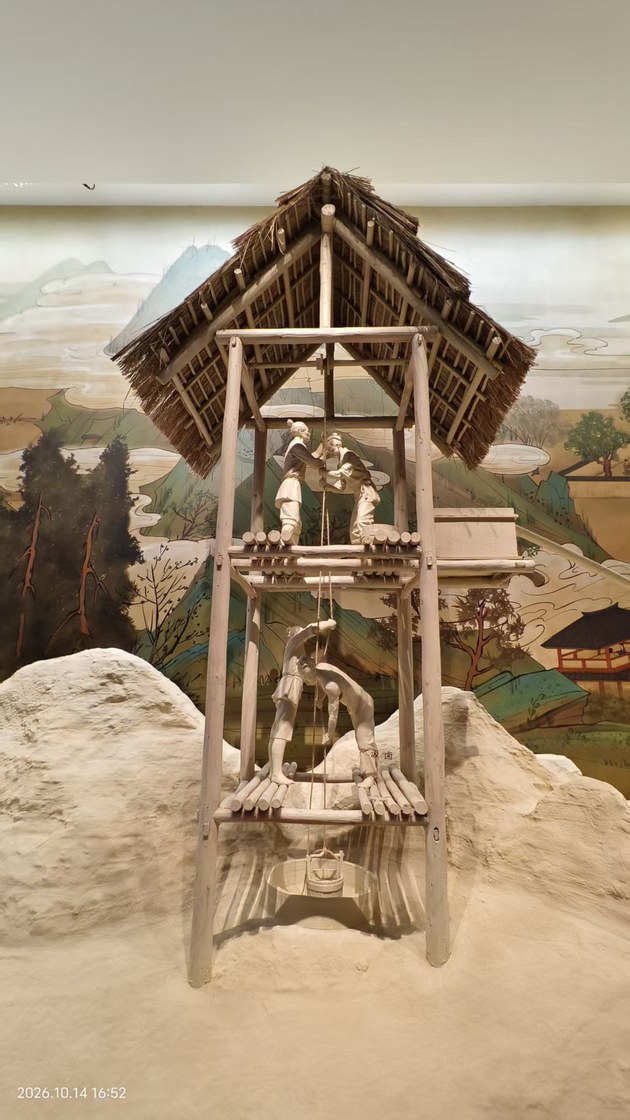
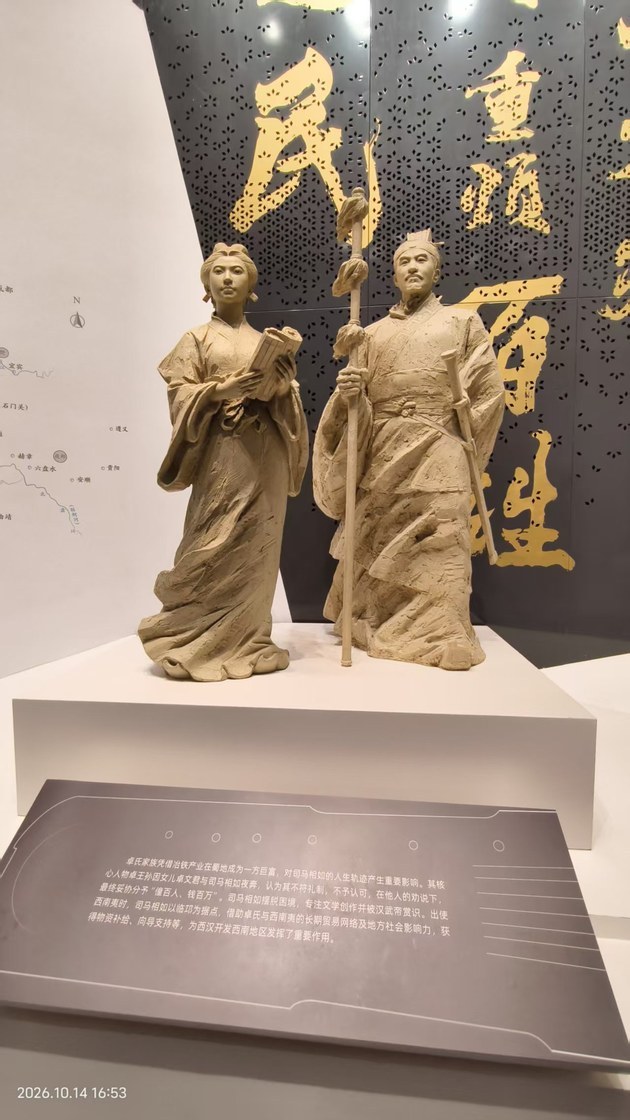
The Qiong Kiln Site Museum of phase two stands in the Qiong Kiln large site protection zone in the south of Qionglai. Its functions include permanent and temporary exhibition halls, a cultural relics storehouse, a sunken courtyard, a lecture hall, a dance classroom, a multifunctional performance hall, a cultural-creative display area, a coffee-and-book bar and book and cultural-creative products. The galleries adopt a “general history plus special topics” approach, focusing on the ancient city of Linqiong, Qiong Kiln culture and Buddhist culture, and systematically telling the course of Qionglai’s history, the rise and fall of the Qiong Kiln and its porcelain achievements.
From kiln mound ruins to a modern museum, from traditional craft experiences to the operation of cultural-creative spaces, the thousand-year-old Qiong Kiln is welcoming guests from around the world with an open attitude, and also offers vivid material for overseas Chinese-language media to tell the story of Sichuan well.