

How can Jiarong thangka carry on today? The Cawalong Thangka Art Exchange and Service Center in Ma’erkang City offers a concrete answer. On Oct. 11, a reporting group of overseas Chinese-language media visited the center, seeing both the craftsmanship of traditional thangka painting and learning how the locality uses public-welfare schooling and cultural-tourism innovation to drive the inheritance and development of ethnic culture.
The center is located in Songgang Township, Ma’erkang City. It is the only public-welfare thangka school in the whole of Ma’erkang and is also designated the Jiarong Wa Thangka Intangible Cultural Heritage Workshop. Combining intangible heritage inheritance, artistic creation, public-welfare teaching, cultural exchange and study-tour experience in one, it has become a representative local base for intangible heritage protection and the integration of culture and tourism.
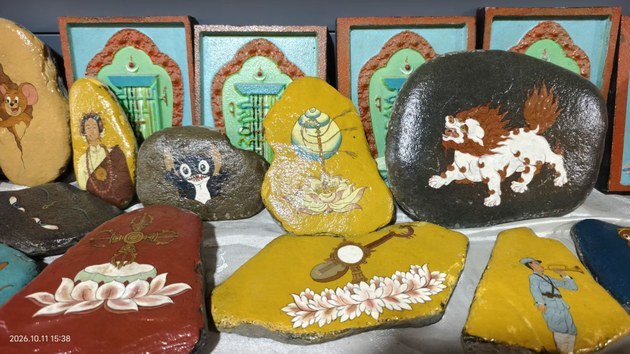
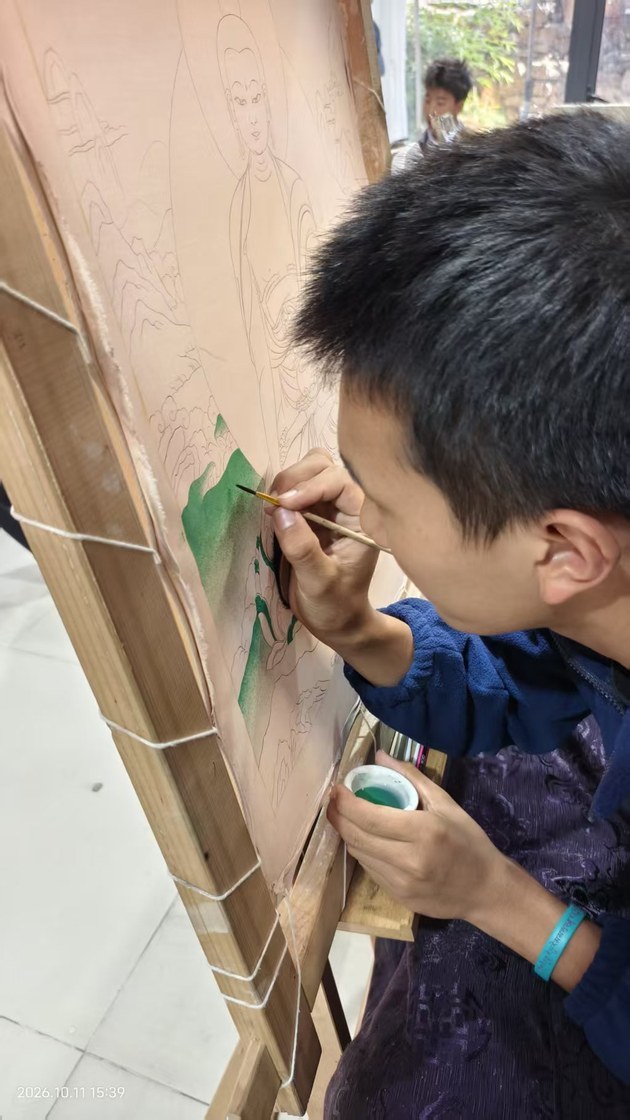
First, the technique. The center’s creations strictly follow the rules of the Classic of Iconometry, and the most authentic painting techniques of Jiarong thangka are fully inherited here. Natural mineral pigments, gold powder, stone colors and other original materials are the painters’ daily supplies; the finished works are deep and heavy in color and remain fresh over time. A single thangka often takes a painter months of meticulous work, and the rigorous, delicate and sacred artistic character of traditional Tibetan painting is thus laid onto the canvas stroke by stroke.
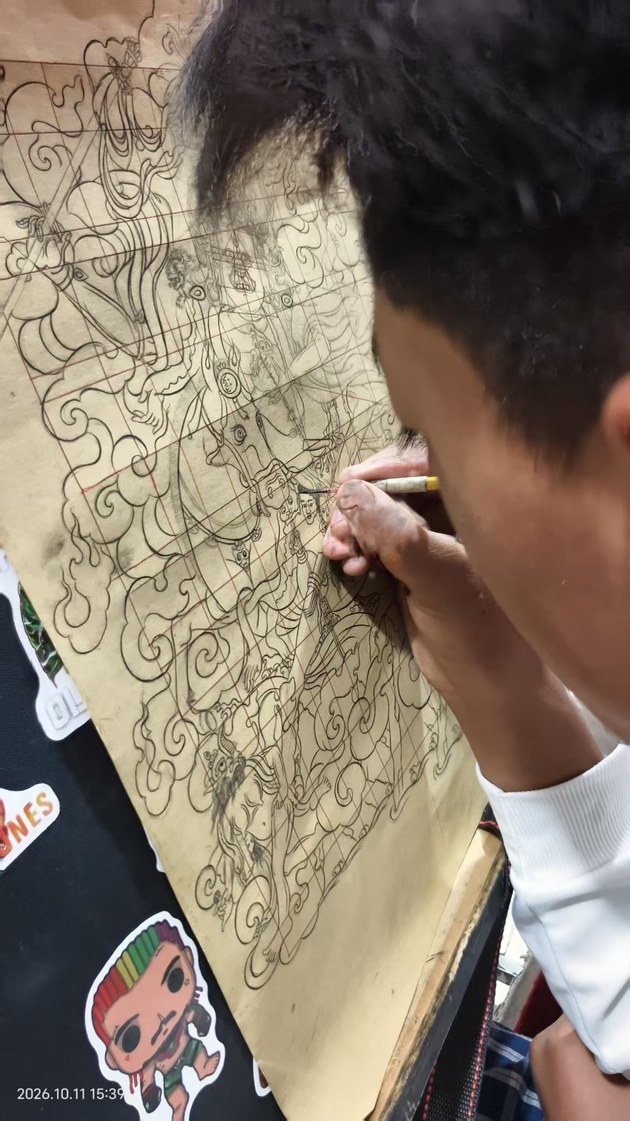
What sustains this transmission of technique is the center’s public-welfare foundation. Staff told reporters that students pay no tuition and receive instruction free of charge, and the center also covers board and lodging, so young people who love thangka and folk learners can enter with zero threshold; with the barrier of learning costs removed, an old craft has the soil to be passed on from generation to generation.
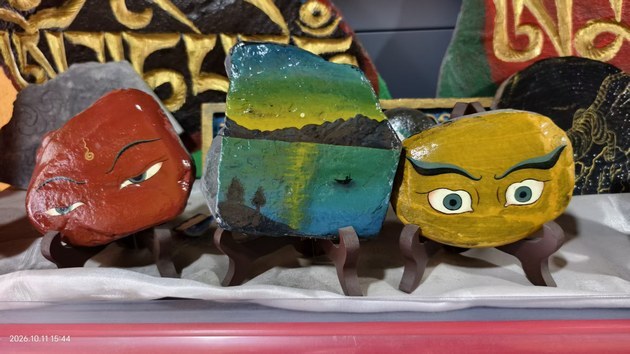
Beyond protection, the center has also set out to make the intangible heritage “live.” Rather than enshrining thangka in a remote display case, it follows market demand and cultural-tourism experience to create stone paintings, thangka fridge magnets, small cultural-creative pendants and other light, youthful objects; the thousand-year-old thangka thus steps out of the exhibition hall and closer to the public, and the traditional craft gains a contemporary form of expression.
Equally regular are the various experience activities. Intangible heritage study tours, handicraft experiences and art exchanges are held in succession, and visitors and study groups can join thangka painting courses, understanding the cultural connotation and painting craft of Jiarong thangka by putting brush to canvas themselves. The intangible heritage becomes something that can be seen, learned and experienced, and living transmission and public sharing are put into practice.
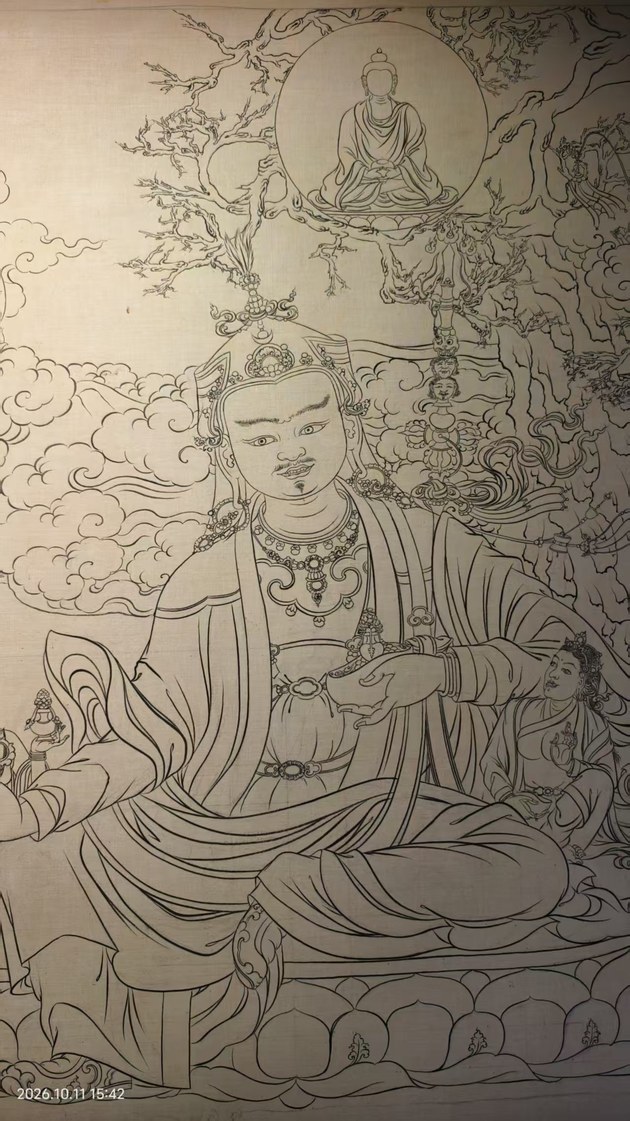
Linking protection, activation and sharing, the center has formed a complete approach of “cultivating talent through public welfare, carrying culture through craftsmanship, and promoting development through cultural creativity.” This precious intangible heritage of the Jiarong Tibetans is protected and continues to grow today; the combinations of “intangible heritage plus cultural tourism,” “intangible heritage plus study tours” and “intangible heritage plus cultural creativity” have boosted local cultural tourism, giving Ma’erkang lasting internal momentum for ethnic cultural protection, the upgrading of the cultural tourism industry and the revitalization of rural culture.
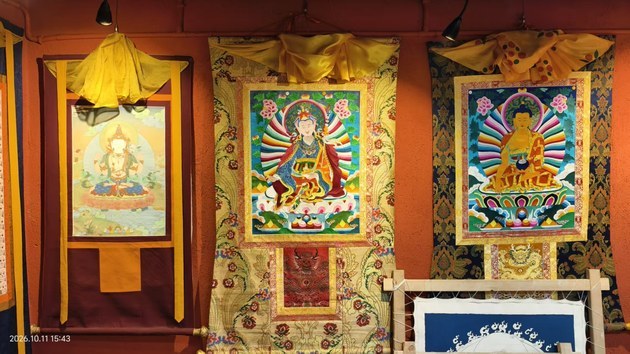
At the end of the visit, the overseas Chinese-language media representatives offered this assessment: Ma’erkang’s Jiarong thangka has a profound heritage, and its transmission here has both warmth and strength — public-welfare schooling keeps the craftsmen’s original aspiration, while cultural-creative development revitalizes the industry, making it an outstanding example of the creative transformation and innovative development of traditional culture in ethnic minority areas. They said they would next use overseas communication channels to introduce Aba’s intangible heritage to more readers, tell the story of cultural inheritance in the ethnic areas of western Sichuan, and bring the beauty of Jiarong thangka to the whole country and the world.