

More than two thousand years have passed, and still people in a village built of stone light their stoves and cook, and still they welcome guests from all directions. How has it managed to live out a new life while guarding its traditions? With that question in mind, representatives of 20 overseas Chinese-language media outlets taking part in the “Overseas Chinese Media Tour of Sichuan” arrived on Oct. 10 at Taoping Qiang Village in Li County, Aba Prefecture. Known as a “living fossil of Qiang architectural art,” the village gave the representatives, as they walked its lanes, a sense of both the depth and continuity of Qiang culture and of the changes that the integration of culture and tourism has brought to the lives of local people.
Taoping Qiang Village stands in Taoping Township on the banks of the Zagunao River in Li County, and is at once a national key cultural relic protection site and an important scenic area on the Jiuzhaigou–Huanglong tourist circuit. Its history reaches back to 111 BC, and for more than two thousand years the smoke from its hearths has never ceased, making it the best-preserved complex anywhere in the world in which watchtowers and dwellings are built as one and which is still inhabited today — the origin of its reputation as a “natural air conditioner.” With a complete underground water network, passages running in every direction and watchtowers integrated into the buildings, this labyrinthine mode of construction has led Chinese and foreign scholars to call it a “living fossil of Qiang architectural art” and “the most mysterious Oriental castle.” In 2013 it joined the ranks of national 4A-level scenic areas.
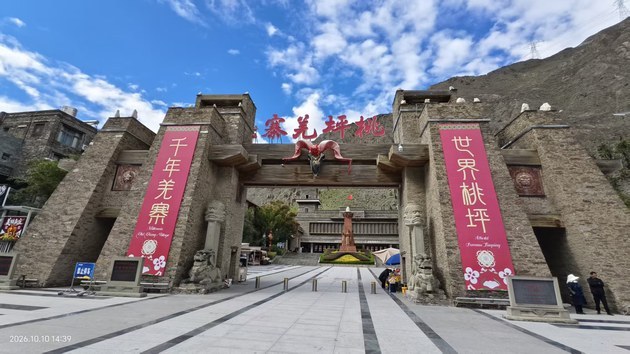
In the old village, stone-walled courtyards rise and fall in staggered tiers, and the Qiang flavor is everywhere. Walking along the winding flagstone paths, the media representatives found houses on either side linked to and opening into one another, their outer walls of mixed cobblestone and slate mottled and weathered, the marks of time within reach. Lanes crisscross; villagers come and go with ease while outsiders feel lost in a maze. A guide explained that the whole village radiates outward from the old castle through eight exits, which are then linked into a network by covered passages — a remarkably ingenious defensive design. Some houses still keep low walls, survivals of the ancient Qiang custom of dwelling in “domed huts.”
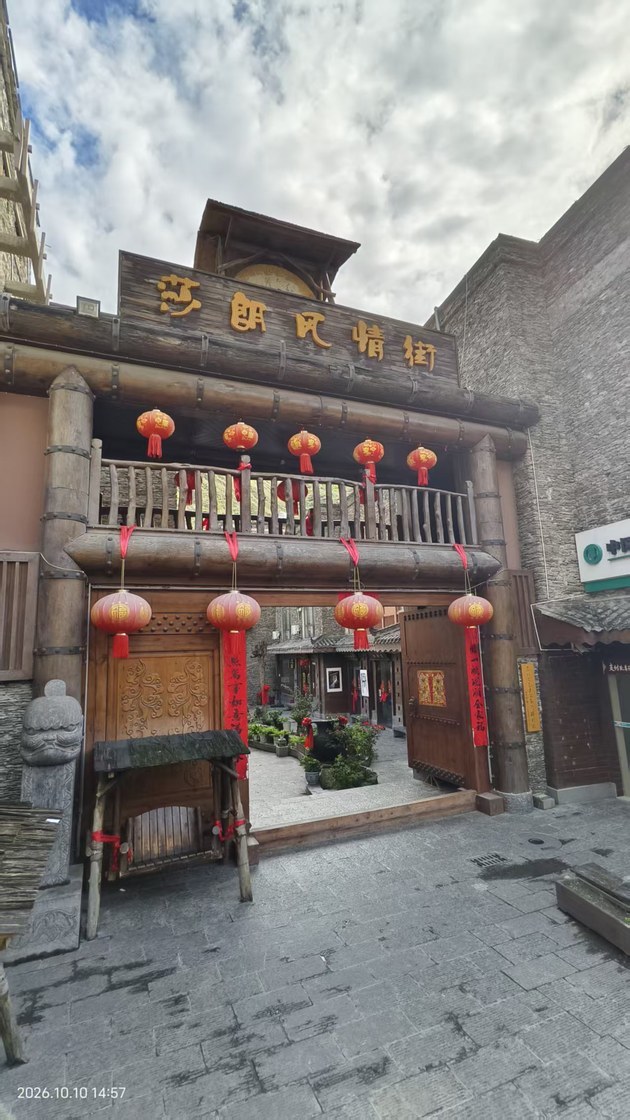
Pushing open a door, one finds a spacious interior with interlocking beams and pillars, usually two or three stories high — the upper floor for living, the lower for keeping cattle and sheep or storing farm tools. On the roof there often stands a small “pagoda” enshrining an egg-shaped white stone that the Qiang revere as the White Stone God, making the custom of white stone worship plain at a glance. What astonished the media representatives most was the underground water supply system found nowhere else: spring water from the high mountains is led in along hidden channels and reaches every household, regulating indoor temperature and also serving firefighting purposes; in wartime it not only ensured that the water supply could not be cut off but also provided a concealed route of retreat. The survival wisdom of the Qiang ancestors over a thousand years lies hidden in these waterways and passages.
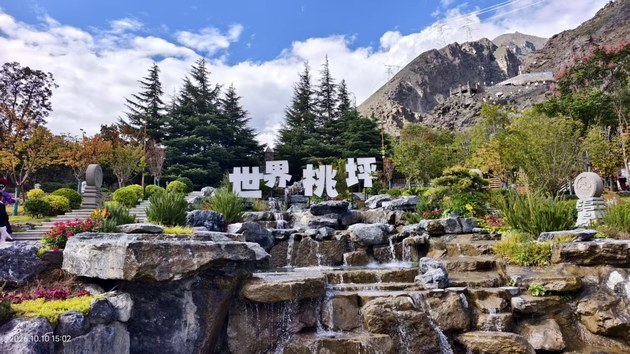
A thousand years of Qiang history is condensed here, close enough to touch. Children picking apples run through the fields, elders in full traditional dress stand at their doorways, women ply their needles in Qiang embroidery, and sturdy men raise cups of highland barley wine… Life is leisurely and self-sufficient, like an idyll. The Qiang’s grandest festivals, the Mountain Sacrifice Festival and the Qiang New Year, fall in spring and autumn respectively; though they belong to the agricultural round of spring prayer and autumn thanksgiving, they are permeated with religious meaning and reflect the mysterious light of an ancient culture. On May 20, 2006, Qiang flute playing and making techniques were inscribed on the first national list of intangible cultural heritage approved and promulgated by the State Council, and the ancient craft has since gained better protection and continuity.
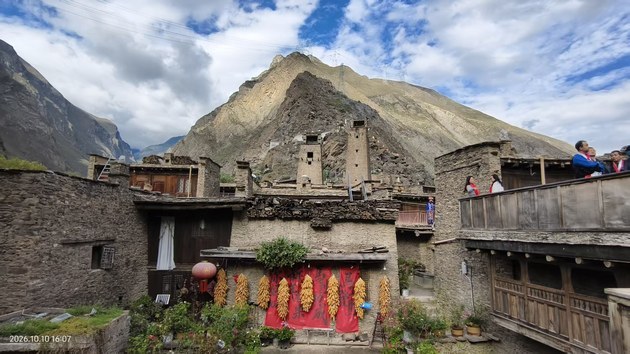
Booming tourism has brought opportunities to the villagers’ doorsteps. The old village holds fast to its roots, offering study tours and visits built around the watchtowers and intangible cultural heritage and folk customs; the new village takes on business, generating income through restaurants, lodging and sales of local farm produce. The two parts of the village each play to their strengths and complement one another, and villagers set up stalls and shops and work as guides at their own doorsteps, making a good living from tourism. Moving back and forth between the new and old villages, the media representatives found their cameras filled with scenes in which ancient charm and present-day vitality interweave.
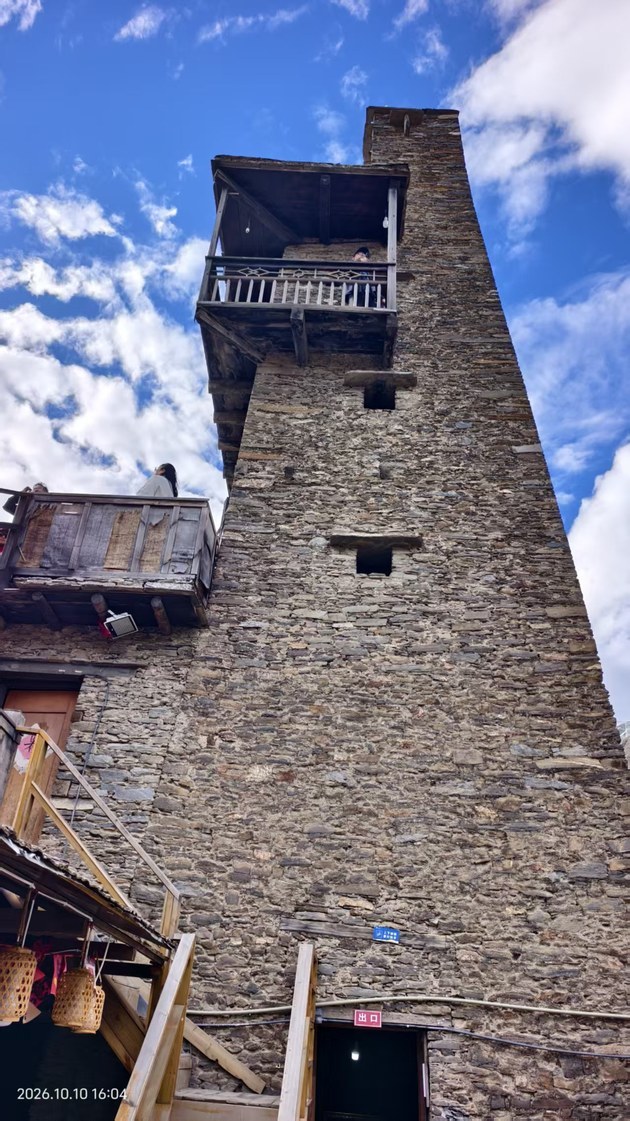
Looking to the future, Taoping Qiang Village will continue to deepen its work on Qiang watchtower construction techniques, Qiang embroidery and other intangible cultural heritage and folk customs, digging deeper into its cultural core while completing its tourism facilities, so that the resources of the old and new villages are put to full use, culture and tourism give back to the countryside, and the ancient village’s vitality endures. The overseas Chinese-language media representatives said the approach to protection and development here was deeply impressive, and that they would use their own platforms to tell the world the story of this “Oriental castle,” so that more people may come to know the unique charm of Qiang culture.